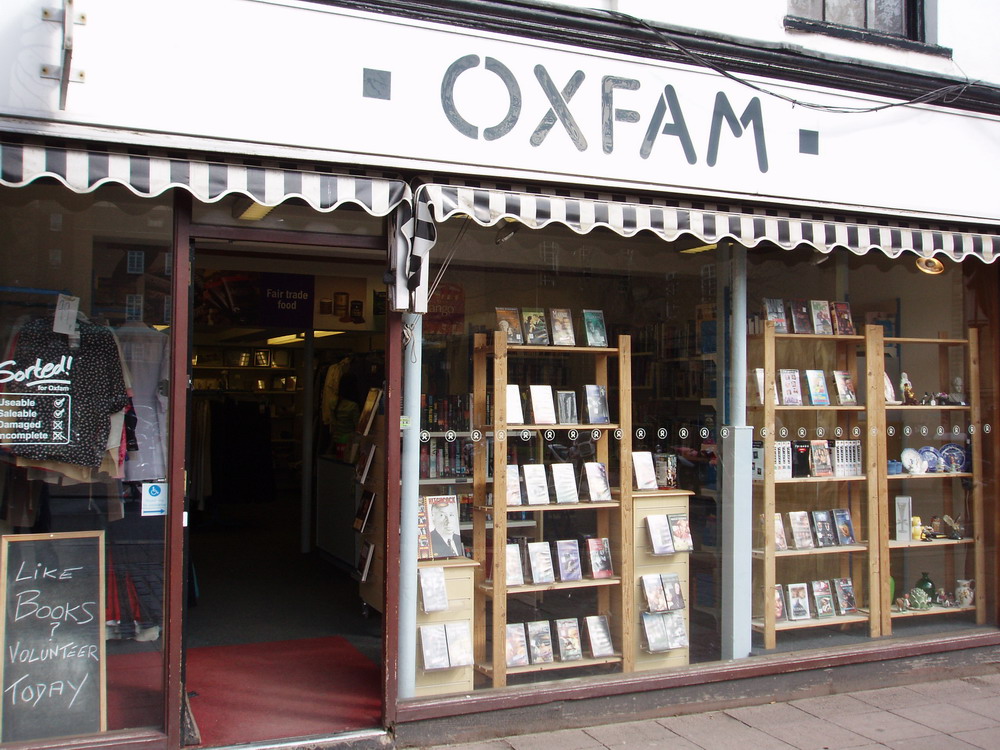
 在日本同学AKI的号召下,四个星期前的星期日,我在诺理奇市中心的其中一家慈善中心OXFAM当起义工。店里摆卖许多二手用品及FAIR TRADE 食品,收入所得将捐助发展中国家的各项援助活动。我的工作很简单,但刚开始使用收银机时频频出错。还有,那些洋人看到两个黑头发的亚洲人在店里当义工时,也投以奇怪(但友善)的眼光。人们可以将完好的、不需要的物品如:衣服、玩具、书本、录影带捐给这类慈善中心去出售,消费者也能以非常低廉的价格购买到必需品。我的冬装及一些用品都是在慈善中心里购买的,我想,等我毕业时,还可以捐回给他们继续摆卖吧?我在去年九月出国前,曾听说JOHORJAYA有一家SALVATION ARMY, 做的应该就是这类生意。对环境管理而言,这可能是鼓励“再使用”的好办法,但环境对于消费品的承载能力究竟有多强?
I started my volunteer work at Oxfam on 12th March 2006(11am to 3pm). Oxfam is one of the charity shops in Norwich. There are a number of charity shops such as Fara, Salvation Army etc. here. It was my Japanese coursemate Aki who called for the help at first. Usually, the charity shops do not open on Sunday. Some volunteers from UEA helped in the Oxfam every Sunday, they quited the job when the essay deadlines were approaching, so I offered to help out for four Sunday. In last few weeks, I learnt how to use the till and rearrange the goods on the shelves. Clothes, bric-a-brac, video tapes, books (all
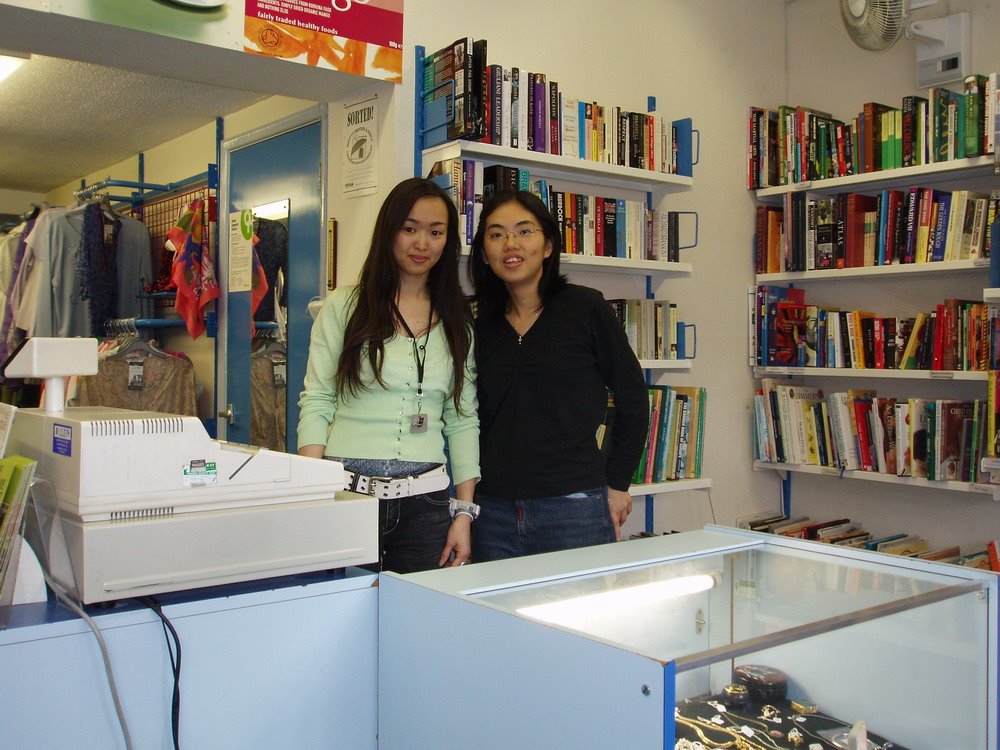 these come from donations, many of them look like newly bought) and Fair Trade products can be found in the shop with very low prices. The income will go to developing countries. Charity shops like Oxfam can hardly be seen in both Malaysia and Japan. Only just before I left Malaysia, I heard about the opening of Salvation Army near the place I lived. In terms of "re-use" in the aspect of environment management, I think it is a good way to manage the things that people do not need them anymore while others who need them can buy with lower prices(I bought many things in charity shops too), it also brings "double dividend" by helping developing countries at the same time , but how big is the capacity for the used things in the environment?